
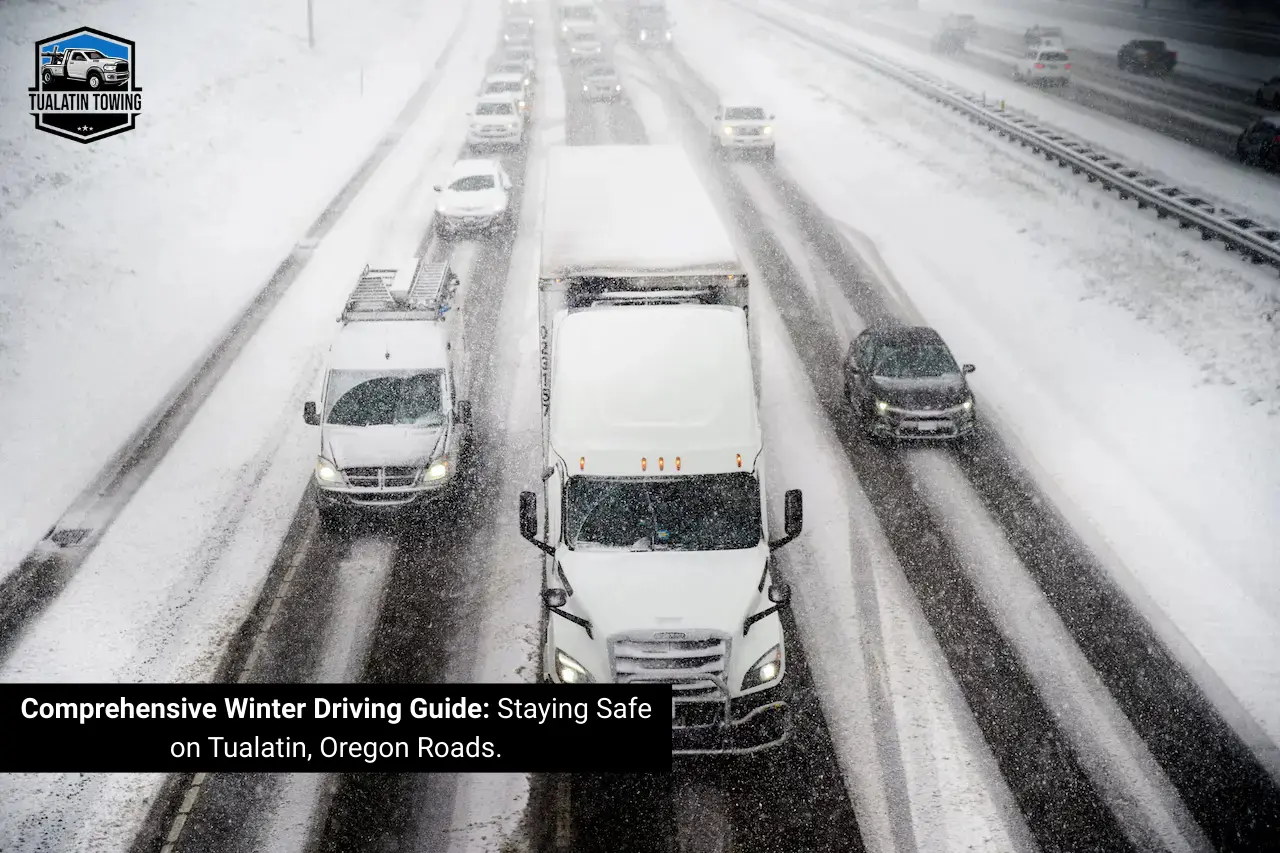
Winter weather in the Pacific Northwest, particularly around Tualatin and the greater Willamette Valley, can be notoriously unpredictable. One moment you’re dealing with steady rain, and the next, freezing temperatures turn roads into treacherous sheets of ice or light snow dustings create hazardous conditions. As the trusted local towing and roadside assistance provider at Tualatin Towing, we’ve responded to countless calls during winter months—from vehicles sliding off slick highways to batteries failing in the cold and drivers getting stuck in unexpected snow.
With years of experience serving Tualatin and surrounding communities, our team at tualatintowing.com knows firsthand how quickly conditions can deteriorate. We’ve seen black ice form overnight on bridges and overpasses, flat tires from potholes hidden under slush, and even minor fender-benders turning into major headaches due to poor visibility. Our goal is to help you avoid these situations altogether, but if trouble strikes, we’re here 24/7 with fast, professional service.
In this extended guide, we’ll dive deep into winter driving preparation, safe techniques, common pitfalls, and when to call for expert help. Let’s keep you and your loved ones safe this season!
1. Thorough Vehicle Preparation: Your First Line of Defense
Proper preparation starts long before you turn the key. Cold weather stresses every part of your vehicle, so a pre-winter check-up is essential.
- Tires Matter Most: In Oregon’s wet and occasionally icy conditions, good tread is crucial. Aim for at least 6/32-inch depth—use the penny test (if Lincoln’s head is visible, replace them). Consider all-season or dedicated winter tires for superior grip on wet, slushy, or icy roads. Check pressure monthly, as it drops in cold weather.
- Battery Health: Cold temperatures can reduce battery power by up to 50%. Get it tested (free at most auto parts stores) and clean any corrosion from terminals.
- Fluids and Wipers: Use winter-grade windshield washer fluid with de-icer. Ensure antifreeze is at the proper level to prevent freezing. Replace worn wiper blades for clear visibility in rain and snow.
- Brakes, Lights, and Belts: Have brakes inspected, ensure all lights work (headlights, taillights, brake lights), and check belts/hoses for cracks.
- Build a Comprehensive Emergency Kit: Don’t skimp here—being stranded in freezing conditions can be dangerous.
-
Essential items include:
- Warm blankets, extra clothing, gloves, and hats
- Non-perishable snacks, water, and a thermos for hot drinks
- Flashlight with extra batteries, first-aid kit, and whistle
- Jumper cables, portable phone charger, and ice scraper
- Small shovel, traction aids (sand, kitty litter, or mats), and tire chains
- Flares or reflective triangles for visibility
Keep your gas tank at least half full to avoid fuel line freeze-ups and provide weight for better traction.
2. Mastering Safe Driving Techniques in Winter Conditions
Even prepared vehicles need cautious drivers behind the wheel. Oregon’s mix of rain, fog, and occasional snow/ice demands defensive driving.
- Reduce Speed and Increase Distance: Slow down—speed limits are for ideal conditions. Allow 5-6 seconds (or more) following distance to account for longer stopping times on slick surfaces.
- Gentle Inputs Only: Accelerate, brake, and steer smoothly. Sudden movements can cause skids. If you skid, ease off the gas/brake and steer into the slide.
- Beware of Black Ice: This invisible hazard often forms on bridges, overpasses, shaded areas, and after light rain freezes overnight. Look for a glossy sheen and reduce speed in suspect spots.
- Visibility Tips: Use low-beam headlights in rain, fog, or snow. Defrost windows fully and clear all snow/ice from your vehicle (including roof—falling snow can impair others’ vision).
- Mountain and Pass Driving: If heading to the Cascades or Coast Range, check TripCheck.com for conditions. Carry chains (required by Oregon law in signed areas) and know how to install them. Practice in a safe spot beforehand.
- Additional Pro Tips: Avoid cruise control on slippery roads. If visibility drops, pull over safely and wait it out. Four-wheel drive helps acceleration but not stopping—don’t overestimate it.
3. Common Winter Roadside Emergencies and How We Can Help
Despite best efforts, issues arise. At Tualatin Towing, these are the most frequent winter calls we handle:
- Dead batteries from extreme cold
- Flat tires or blowouts on damaged roads
- Vehicles stuck in snow, ditches, or mud
- Lockouts (especially with frozen mechanisms)
- Fuel delivery for empty tanks
- Minor accident recovery and towing
If you’re in an unsafe location, don’t attempt risky fixes yourself. Turn on hazards, stay in your vehicle with seatbelt on, and call professionals.
Our team provides 24/7 roadside assistance, including jump starts, tire changes, fuel delivery, lockout service, winch-outs, and safe towing to your preferred shop. We’re equipped for light to heavy-duty needs and prioritize quick response times to get you out of the cold fast.
Final Thoughts: Drive Smart, Stay Prepared
Winter driving in Tualatin doesn’t have to be stressful. With thorough preparation, cautious habits, and awareness of local conditions (monitor ODOT’s TripCheck and weather alerts), you can minimize risks.
At Tualatin Towing, we’re proud to serve our community with reliable, friendly service year-round. Your safety is our priority—whether preventing issues or responding swiftly when needed.
Stay warm and drive safely this winter! If you need assistance or have questions about our services, visit tualatintowing.com or call us anytime.
Need help now? Contact Tualatin Towing 24/7 for roadside assistance and towing in Tualatin and surrounding areas.